
"very dark roast"
3000 article(s) found

Coffee roasting knowledge Coffee roasting degree Classification
Espresso roasting: dark brown, depending on the degree of baking, the bean surface may have only a thin layer of coffee oil, or a thick layer of coffee oil. New England baking (New England): light brown, dried bean noodles. American baking (American): medium brown, dried bean noodles. Viennese baking (Viennese): medium dark brown with scattered drops of bean noodles

Basic knowledge of boutique coffee classification of roasting degree of coffee
New England baking (New England): light brown, dried bean noodles. American baking (American): medium brown, dried bean noodles. Viennese roasting (Viennese): medium dark brown with scattered drops of coffee oil on the bean noodles. French roasting (French): moderate dark brown bean noodles with a thin layer of coffee oil. Espresso baking: dark brown, due to baking process
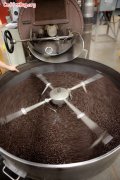
How do the baking terms of boutique coffee beans describe the degree of roasting?
The key to why coffee is loved by people lies in the aroma formed after roasting and the taste when drinking, because the coffee raw bean itself has no special taste. Baking is like an ingenious magic, which completely changes and reorganizes the substances inside the raw beans to form a new structure. With a strong and mellow flavor, it has become a favorite drink. So you know the terms of coffee baking.
Coffee roasting degree classification Coffee beans roasting basic knowledge
New England baking: light brown, bean flour dry. American Roast: Medium brown, bean flour dry. Viennese: Medium dark brown with a few drops of coffee fat on the beans. French Roast: Moderately dark brown bean flour with a thin coffee fat. Espresso Roasting: Dark brown, due to baking process
Classification of coffee roasting degree coffee bean roasting knowledge
New England baking (New England): light brown, dried bean noodles. American baking (American): medium brown, dried bean noodles. Viennese roasting (Viennese): medium dark brown with scattered drops of coffee oil on the bean noodles. French roasting (French): moderate dark brown bean noodles with a thin layer of coffee oil. Espresso baking: dark brown, due to baking process
Coffee roasting knowledge Coffee roasting degree Classification
New England baking (New England): light brown, dried bean noodles. American baking (American): medium brown, dried bean noodles. Viennese roasting (Viennese): medium dark brown with scattered drops of coffee oil on the bean noodles. French roasting (French): moderate dark brown bean noodles with a thin layer of coffee oil. Espresso baking: dark brown, due to baking process
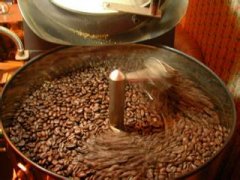
Coffee roasting degree classification traditional American defined roasting pattern name
New England baking (New England): light brown, dried bean noodles. American baking (American): medium brown, dried bean noodles. Viennese roasting (Viennese): medium dark brown with scattered drops of coffee oil on the bean noodles. French roasting (French): moderate dark brown bean noodles with a thin layer of coffee oil. Espresso baking: dark brown, due to baking process
How the coffee roasting term describes the degree of roasting
The key to why coffee is loved by people lies in the aroma formed after roasting and the taste when drinking, because the coffee raw bean itself has no special taste. "baking" is like an ingenious magic, which completely changes and reorganizes the substances inside the raw beans to form a new structure and becomes a favorite drink with a strong and mellow flavor. So you know coffee roasting.
How the coffee roasting term describes the degree of roasting
The key to why coffee is loved by people lies in the aroma formed after roasting and the taste when drinking, because the coffee raw bean itself has no special taste. Baking is like an ingenious magic, which completely changes and reorganizes the substances inside the raw beans to form a new structure. With a strong and mellow flavor, it has become a favorite drink. So you know the terms of coffee baking.
Classification of roasting degree of coffee
The roasting of coffee beans directly determines the aroma of coffee beans. If the coffee is not roasted well, even if the raw coffee beans are very good, you can't get good ripe coffee beans; as a result, you can't make good coffee. Only with good coffee raw beans, after proper roasting, is it possible to process good coffee ripe beans, and to provide a good front for making good coffee.

How should coffee roasting terms describe the degree of roasting
The key to why coffee is loved by people lies in the aroma formed after roasting and the taste when drinking, because the coffee raw bean itself has no special taste. Baking is like an ingenious magic, which completely changes and reorganizes the substances inside the raw beans to form a new structure. With a strong and mellow flavor, it has become a favorite drink. So you know the terms of coffee baking.
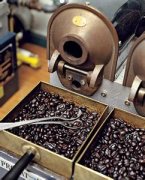
How much do you know about coffee roasting terms
What are the coffee roasting terms? What is the difference in taste between coffee roasted in different ways?
Coffee basic knowledge Coffee roasting degree Classification
New England baking (New England): light brown, dried bean noodles. American baking (American): medium brown, dried bean noodles. Viennese roasting (Viennese): medium dark brown with scattered drops of coffee oil on the bean noodles. French roasting (French): moderate dark brown bean noodles with a thin layer of coffee oil. Espresso baking: dark brown, due to baking process
Coffee knowledge Coffee roasting terms know how much
What are the coffee roasting terms? What is the difference in taste between coffee roasted in different ways? There are six broad categories of coffee roasting terms: light roast, light medium roast, medium roast, medium deep roast, deep roast, and very deep roast. Among these six categories, there are many tributaries, which make the world of coffee more exciting and mysterious. LIGHT ROASTS, MEAT

General knowledge of coffee roasting the origin of roasting patterns
At present, the naming method mainly comes from two sources: one is the general preference of national drinkers' baking mode: Ruyi baking, French baking and so on. One is the naming rules developed by coffee professionals in the United States from the end of the 19th century to the beginning of the 20th century. The origin of these two names is still vague to some extent, so now there is a more objective way to assist in interpretation.

How to roast coffee beans and what is the best roasting degree?
Baking is roughly divided into shallow baking (Light), medium baking (Medium), urban baking (City) and deep baking (Deep). Light roasted coffee beans: will have a strong smell, very crisp, high acidity is the main flavor and slightly mellow. Medium-roasted coffee beans: have a strong mellow, but also retain a certain degree of acidity. City-baked coffee beans: dark brown on the surface

Introduction of coffee roasting knowledge with acceptable aroma introduction of coffee roaster brand
1. Very shallow baking (LIGHTRoast): the degree of baking; very shallow baking, also known as shallow baking. The lightest roasting degree of all roasting stages, the surface of the coffee beans is a light cinnamon color, its taste and aroma are insufficient, this state is almost undrinkable. It is generally used for testing and seldom for tasting. 2. Shallow baking (CINNAMONRoast): baking degree; shallow baking
Basic knowledge of boutique coffee classification of roasting degree of coffee
New England baking (New England): light brown, dried bean noodles. American baking (American): medium brown, dried bean noodles. Viennese roasting (Viennese): medium dark brown with scattered drops of coffee oil on the bean noodles. French roasting (French): moderate dark brown bean noodles with a thin layer of coffee oil. Espresso baking: dark brown, due to baking process

The roasting degree of coffee beans can be divided into six categories.
Light baking (Light Roasts), cinnamon (Cinnamon), half-city style (Half City), New England style (New England). This kind of baking is only used for absolutely high-quality, fine or highland-grown Arabica coffee beans, mainly for the identification and tasting of coffee beans, generally not on the finished products sold in the market. Cinnamon is so called because its baked color is very similar.

Where is the way out for deep-roasting coffee in the environment where shallow roasting is popular? Should coffee be roasted out of oil?
As we all know, with the rise of the third wave of coffee, medium and light roasting is becoming more and more popular. But the first cup of coffee for almost everyone in the world is black. In recent years, newer and lighter baking curves have become more and more common and easy to use. They are also mainly related to higher quality and more expensive specialty coffee. To learn more about why coffee has always been